






Good DTF transfer durability depends on four things: transfer production, heat press application, garment choice, and wash care. A properly produced and applied Direct to Film transfer can remain bright, flexible, and firmly attached through regular wear. Still, there is no honest universal wash count for every print. For ready-to-press transfers and custom artwork options, Bostonian DTF supports Boston creators, brands, schools, and print shops through an experienced production team.
Are DTF Transfers Durable?
Yes. Durable DTF transfers can handle routine wear and machine washing when they are produced, applied, and cared for correctly.
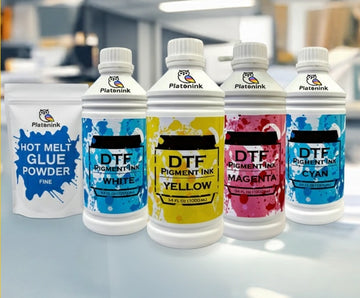
DTF uses printed ink, a white underbase, adhesive powder, film, heat, and pressure to create a bond with the garment.
What Does Durability Mean?
Durability is not only whether the design stays attached. It also covers color, surface appearance, edge adhesion, flexibility, and resistance to cracking.
A print may remain bonded but look faded. Another may retain strong color while developing small cracks in a heavily stretched area. That is why DTF transfer quality should be judged as a complete result.
How Long Do DTF Transfers Last?
People asking how long DTF transfers last usually want a simple number. The more accurate answer is that the result depends on the transfer system, garment, application, design, washing routine, and frequency of wear.
A work shirt washed twice each week faces more stress than an event shirt worn a few times per year. A large solid print also reacts differently from a small chest logo.
|
Durability factor |
Lower-stress condition |
Higher-stress condition |
|
Wearing frequency |
Occasional event use |
Daily workwear |
|
Washing |
Cool, inside out |
Hot, exposed print |
|
Detergent |
Mild product |
Bleach or harsh chemicals |
|
Drying |
Air dry or controlled low heat |
Repeated high heat |
|
Artwork |
Open, flexible design |
Large solid ink coverage |
|
Garment area |
Flat chest or back |
Seams and stretch zones |
|
Application |
Even tested pressure |
Cold spots or weak pressure |
Why Is There No Universal Wash Count?
The question how many washes do dtf transfers last cannot be answered responsibly with one number for every product.
Film, ink, adhesive, curing, fabric, pressing equipment, artwork coverage, and laundering vary. A supplier may test its own transfer under controlled conditions, but that result should not be applied automatically to every other DTF product.
The safest approach is simple. Ask for product-specific evidence, test the exact garment, and avoid promises such as “never cracks” or “lasts forever.”
What Controls the DTF Transfer Lifespan?
The dtf transfer lifespan begins before the transfer reaches the shirt. Print production creates the transfer. Heat pressing builds the bond. Customer care then protects or stresses that bond.
Transfer Production
Ink coverage and adhesive powder should be even. The powder must bond with the wet ink, then receive the correct heat treatment.
Too little adhesive may create weak areas. Too much loose powder can affect edges or leave unwanted residue. Production temperatures should follow the instructions for the chosen film and powder rather than a generic setting.
Heat Press Application
The heat press must provide suitable time, temperature, and pressure. These factors work together.
A temperature display does not prove that every part of the platen is heating evenly. Cold areas can cause one side of a design to lift while the center looks fine.
Garment Construction
Cotton, polyester, blends, performance fabrics, and coated materials react differently to heat. Seams, pockets, collars, and hoodie drawcords can also disturb pressure.
A professional, experienced print team tests uncertain fabric rather than guessing. That small test protects the order plus the customer’s deadline.
What Improves DTF Transfers Wash Durability?
dtf transfers wash durability depends on the strength of the original application and the way the garment is cleaned.
avoid bleach, and not dry clean them. Product-specific directions should still take priority.
|
Care choice |
Better approach |
What to avoid |
|
Garment position |
Turn inside out |
Exposing the print to friction |
|
Water |
Cool water |
Repeated hot washing |
|
Detergent |
Mild detergent |
Bleach and harsh cleaners |
|
Wash load |
Normal, uncrowded load |
Overloaded machine |
|
Drying |
Low heat or air drying |
Prolonged high heat |
|
Ironing |
Iron around the design |
Direct contact with the print |
Does the First Wash Matter?
Yes. Do not rush the first wash when the supplier recommends a waiting period after application.
The printed garment may feel ready, but the transfer has just gone through heat, pressure, peeling, and cooling. Following the stated waiting period removes one avoidable source of failure.
Why Do DTF Transfers Crack?
People asking why do dtf transfers crack should inspect the artwork, application, garment stretch, and wash routine.
Cracking may result from too much heat, excessive pressing, repeated high-temperature drying, strong garment stretching, or a dense design that cannot move comfortably with the fabric.
Large Designs Carry More Stress
A small left-chest logo covers little fabric. A solid twelve-inch graphic creates a broad printed layer.
Open space within artwork can improve flexibility and comfort. The result often feels softer too. Sometimes the answer is not a new press setting. It is a smarter design.
Cracking should also be separated from peeling. Cracking appears within the printed surface. Peeling starts when part of the transfer loses its bond with the garment.
How Can You Make DTF Transfers Last Longer?
The answer to how to make dtf transfers last longer starts with repeatable production rather than a last-minute fix.
Use this practical process:
- Confirm that the garment can tolerate the required heat.
- Read the instructions supplied with the exact transfer.
- Pre-press the garment when recommended.
- Keep seams and raised areas away from the pressing zone.
- Check that pressure reaches every part of the design.
- Follow the correct hot, warm, or cold peel method.
- Complete a finishing press when required.
- Wash-test one shirt before producing a large repeat order.
- Give the customer clear written care instructions.
- Record the settings used for future production.
We have all seen a print look perfect straight off the press, then reveal one loose corner after cooling. That is why inspection matters... even when the first result looks great.
Do Fabric and Artwork Affect Durability?
Yes. The garment and design both influence the life of the finished print.
A flat cotton shirt may be simple to press. A polyester performance garment may be more sensitive to heat or dye migration. A ribbed or highly elastic fabric may place added stress on the transfer.
Do not assume that one successful cotton test proves that the same settings will work on every blend, hoodie, tote, or sports shirt.
Choose Artwork for the Garment
Small text, distressed details, narrow lines, and large ink blocks each behave differently.
Test fine details at the final print size. Keep important parts away from seams. For apparel that stretches during sports or work, consider artwork with enough open space to move with the fabric.
How Should Boston Businesses Protect Print Quality?
Boston reports about 18,000 small businesses employing 127,000 people and generating close to $28 billion each year. Restaurants in Dorchester, fitness studios in South Boston, startups in Cambridge, nonprofits in Roxbury, and event teams near the Seaport may all use decorated apparel. Their washing needs are not identical.
Staff uniforms need repeatable testing. Merchandise needs a clear care label. Event shirts may prioritize comfort and fine detail. Match the transfer, garment, and care guidance to the actual use.
What Should a DTF Transfer Care Guide Include?
A clear dtf transfer care guide should be short enough that customers will read it.
State when the first wash can take place. Explain the recommended water temperature, detergent, garment position, drying method, and ironing limits.
Your dtf transfer washing instructions should match the actual transfer rather than a copied generic card. Add the guidance to packaging, order emails, product pages, or garment labels.
“Long-lasting prints are built at the press, then protected in the laundry.”
That is the whole process in one line.
Can Long-Lasting DTF Transfers Be Guaranteed?
Long lasting dtf transfers are possible, but no responsible printer should guarantee identical performance under every washing and wearing condition.
The printer controls production and application. The customer controls laundering, drying, ironing, storage, and daily use.
Specific claims should be backed by reliable testing. Honest guidance builds more trust than a dramatic lifetime promise that no garment can support.
Conclusion
Strong dtf transfer durability comes from a controlled process. Use suitable artwork, reliable transfer production, even press pressure, product-specific application settings, and sensible wash care.
Do not rely on one universal wash count. Test the exact garment and transfer combination. Keep production records. Give customers simple care guidance.
The small details add up. That is how good prints stay wearable.
Get Durable DTF Transfers for Your Next Boston Apparel Project
Need custom transfers for uniforms, merchandise, school apparel, events, hoodies, or T-shirts? Order ready-to-press designs from Bostonian DTF and follow the application guidance supplied for your transfer, garment, and production setup.
FAQs
Are DTF transfers durable?
Yes. DTF transfers can provide strong wash and wear performance when they are produced correctly, applied with suitable heat and pressure, and cared for as directed.
How long do DTF transfers last?
There is no universal lifespan. Results depend on the transfer system, garment, artwork, press application, wearing frequency, washing routine, and drying method.
How many washes can a DTF transfer handle?
Wash-count claims vary between products and testing methods. Use evidence supplied for the exact transfer rather than applying one number to every DTF print.
Why do DTF transfers crack?
Cracking may result from excessive heat, overpressing, garment stretch, dense artwork, harsh washing, or repeated high-temperature drying.
Why does a DTF transfer peel after washing?
Peeling may come from weak pressure, low heat, short pressing time, moisture, uneven garment surfaces, incorrect peel timing, or harsh laundering.
Should DTF shirts be washed inside out?
Yes. Inside-out washing reduces direct rubbing against the printed surface and is recommended in many professional garment-decoration care instructions.
Can DTF garments go in a dryer?
Follow the instructions for the specific transfer. Controlled low heat or air drying may reduce thermal stress compared with repeated high-temperature drying.
How can I improve DTF transfer durability?
Use clean artwork, test the garment, follow the exact application instructions, confirm even pressure, use the correct peel method, and provide clear wash care guidance.


