



Custom Apparel in Boston for Brands, Teams, Events, and Personal Projects
- Featured
- Most relevant
- Best selling
- Alphabetically, A-Z
- Alphabetically, Z-A
- Price, low to high
- Price, high to low
- Date, old to new
- Date, new to old
Recently Viewed Products
You know that feeling when you pull on a shirt that actually means something? A restaurant crew wearing matching tees on opening night. A youth soccer team in hoodies they picked themselves. A local brand dropping its first run of merchandise at a Somerville pop-up. That is what good custom apparel does. It turns an idea into something people genuinely want to wear.
For Boston businesses, schools, community groups, and creators ready to make it happen, Bostonian DTF offers an online custom design option backed by a production team that understands apparel from artwork to finished garment.
Before you start designing
-
Custom apparel covers shirts, hoodies, uniforms, merch, event clothing, and branded workwear
-
The current listing includes sizes S through 3XL plus 13 color options, starting at $12 for S to XL
-
You can design your own shirt using the online customization tool: choose color, upload artwork, position the design, and order
-
DTF (Direct to Film) printing handles full-color artwork, gradients, photos, and detailed graphics on cotton, poly, and blends
-
Live inventory showed a conflict at the time of writing: the filter reported one item in stock while the product card showed Sold Out. Confirm availability before finalizing any order
What Is Custom Apparel?
Custom apparel is clothing decorated with artwork chosen for a specific person, group, brand, or occasion. That includes custom t-shirts, sweatshirts, custom hoodies, uniforms, workwear, event clothing, and merchandise runs.
Here is the part people sometimes skip: good customization is more than just uploading a file and hitting order. The garment needs to suit the wearer. The artwork needs enough resolution. The colors need contrast. Plus, placement has to work around seams, collars, and pockets. Get those details right and the shirt looks intentional. Get them wrong and it looks... off.
What can you actually put on a custom shirt?
Practically anything original. Business logos, event names, team numbers, school graphics, family slogans, photographs, illustrated characters, original artwork. Whatever you created or have the rights to use.
Custom logo shirts work best when the logo file is clean and sharp. Tiny text, faint thin lines, and screenshots pulled from a website rarely reproduce well at print size. If the artwork looks fuzzy at 100% zoom on your screen, it will look fuzzier on fabric.
How Do You Design Your Own Shirt Online?
To design your own t-shirt, start by picking your garment color and size. Open the customization tool, upload your artwork, set its position, and review the scale before checkout.
One thing we see trip people up constantly: the design preview. A logo that looks perfectly balanced on a phone screen can look tiny across the chest of an adult Large. Always check the intended print dimensions, not just the thumbnail.
What should you check before you submit?
Run through this before hitting confirm. Spelling errors on a 200-piece staff shirt order are the kind of thing that haunts you.
-
Confirm you own or have rights to the artwork
-
Check spelling, names, dates, and phone numbers
-
Remove unwanted backgrounds and stray pixels
-
Set the design to final print dimensions
-
Compare artwork color against the garment color
-
Keep key design elements away from collars and seams
-
Review each size and color variation in the order
-
Save the approved file for future reorders
The checkout terms place responsibility for submitted content, accuracy, and copyright on the buyer. Upload only artwork you created, licensed, purchased with commercial rights, or received explicit permission to use.
Which Custom Products Fit Different Projects?
The right garment depends on season, purpose, budget, and how long the item will actually be worn. A summer festival shirt and a construction crew hoodie have pretty different requirements.
Project |
Practical apparel choice |
Useful print placement |
|
Restaurant staff |
T-shirt or crewneck |
Left chest plus back |
|
School club |
T-shirt or hoodie |
Full front or center chest |
|
Construction team |
Durable shirt or sweatshirt |
Left chest plus full back |
|
Fitness studio |
Lightweight shirt |
Front logo or upper back |
|
Merchandise release |
Custom hoodies or tees |
Front, back, or sleeve |
|
Family event |
Personalized t-shirts |
Full front or individual names |
A lightweight shirt fits a July event near the Esplanade. A hoodie makes far more sense for a fall farmers market or a campus group heading into a New England winter. Context matters.
Why Does DTF Printing Work Well for Custom Clothing?
Direct to Film printing works by applying printed artwork onto fabric using heat and pressure. It handles detailed designs, multiple colors, gradients, photographs, and short production runs without requiring a separate screen for each color.
This is why DTF works well for custom t-shirts with complex artwork, where traditional screen printing would require separating every color into its own layer and paying a setup fee each time.
Does DTF work on every fabric?
It works on most cotton, polyester, and blended garments, but every blank behaves a little differently. Fabric coatings, heavy texture, stretch, heat sensitivity, and placement near seams can all affect the final result.
If your order uses expensive blanks or unusual fabrics, run a test garment first. One test press is worth a lot more than reprinting a full order.
How Should You Prepare Artwork for Printing?
Start with the cleanest file you have. Vector files are ideal for logos because they scale without losing sharpness. High-resolution PNG files also work when prepared at the actual final print size.
For raster artwork, 300 dots per inch at the intended print dimensions is a solid working target. Enlarging a small web image does not create detail that was never there. It just makes the blur bigger.
Use transparent backgrounds only where the design should show the garment beneath it. Remove white boxes, stray pixels, and hidden marks before uploading.
How do garment color and artwork work together?
The garment color is part of the design. White artwork looks sharp on black, navy, forest green, and maroon. Dark artwork needs attention on deep garment colors because similar tones can blend instead of contrast.
DTF uses a white underbase to help colors stay visible on dark fabric. Even with that underbase, dark outlines sitting against a similar shirt color can disappear at a glance.
Placement |
Typical use |
What to watch |
|
Left chest |
Staff logo or small mark |
Keep size proportional |
|
Center chest |
Main graphic |
Check collar spacing |
|
Full front |
Merchandise or event art |
Avoid oversized solid blocks |
|
Full back |
Company details or large design |
Confirm readable scale |
|
Sleeve |
Small logo or text |
Allow for the seam curve |
|
Upper back |
Team name or staff label |
Keep it below the collar line |
A one-inch placement drift can make a strong design feel sloppy. We have all seen the shirt where the logo is quietly sliding toward the armpit. Nobody wants that on their brand.
When Does Bulk Custom Apparel Make Sense?
Bulk custom apparel fits businesses, schools, sports teams, conferences, nonprofits, restaurants, contractors, and merchandise programs. Anytime a group of people needs to look like they belong together.
The thing most people underestimate in bulk orders is the size breakdown. Collect actual sizes from the people wearing the garments before final approval. Guessing from memory almost always leaves someone without a shirt that fits.
Does every shirt in a bulk order need to be the same?
Not at all. Some orders share one front logo with different names or numbers on the back. Others need separate garment colors for departments, roles, or age groups.
When you print your own shirt as part of a larger mixed order, label every variation clearly. A simple list showing garment color, size, artwork version, placement, and quantity prevents most fulfillment errors before they happen.
What Can Boston Organizations Create?
Boston's business community includes more than 18,000 small businesses that employ around 127,000 people and generate close to $28 billion each year, according to the city's Small Business Month resources. That is a lot of organizations with staff, customers, and communities who could use a recognizable shirt.
A Dorchester restaurant needs crew uniforms for front-of-house staff. A Cambridge student group needs event shirts for a spring fair. A Roxbury nonprofit needs volunteer apparel for a community cleanup. A South Boston contractor needs high-visibility workwear with the company name on the back. Custom clothing serves all of them differently, but from the same starting point: a garment, a design, and a reason to wear it.
"The best custom shirt does not just carry a logo. It makes the person wearing it feel like they belong to something worth representing."
That is the difference between apparel that gets worn and apparel that sits in a drawer.
What Claims Should You Watch Out For?
If you are evaluating any custom apparel supplier, pay attention to how they describe their products. Phrases like "never cracks," "permanently fade-proof," or "fits everyone" are red flags unless supported by real testing data.
The Federal Trade Commission requires that advertisers have a reasonable basis for any objective product claim. For custom apparel online, honest care instructions and accurate material descriptions build more trust than dramatic promises.
Also avoid using protected team logos, brand marks, licensed characters, or stock photos without proper rights. A print shop producing the garment does not transfer design rights to the buyer.
What Does the Current Collection Show?
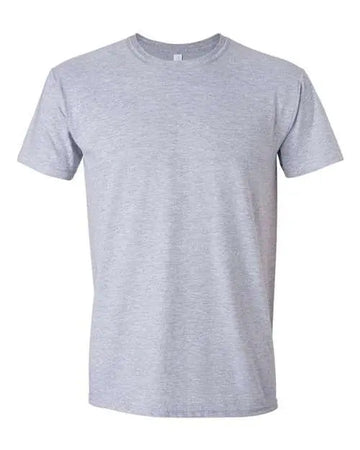
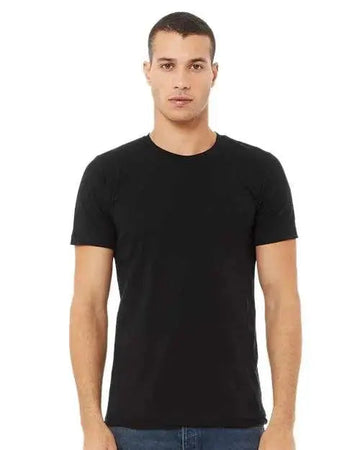
The live collection contained one custom T-shirt listing at the time of this review. The product page displayed sizes S through 3XL, 13 color options, and a "Create Your Tee" tool.
However, the collection filter reported one in-stock item while the product card itself showed Sold Out. That conflict means you should confirm live availability for your specific size and color before placing an order or making delivery promises to anyone else.
The product page also listed weekday shipping and Boston pickup options. Useful, but not a substitute for checking actual stock before you commit.
Conclusion
Custom apparel gives Boston businesses, teams, schools, families, and creators a practical way to turn original ideas into clothing people actually want to wear. The process works best when you start with the right garment, prepare clean artwork, confirm color contrast and placement, sort out quantity and sizing, and verify live stock before checkout.
For repeat orders, save every approved production file and detail. That habit alone makes custom apparel online faster, less stressful, and easier to scale.
Design Custom Apparel for Your Boston Team, Brand, or Event
Ready to design your own clothing for staff uniforms, a merchandise drop, a school event, or a community group? Check current sizes, colors, pricing, and availability at Bostonian DTF and get your artwork ready before you place the order.
FAQs
How do I design my own custom shirt?
Choose a garment size and color from the collection, open the customization tool, upload your artwork, position the design at the correct scale, check every detail, and confirm live availability before ordering.
What file format works best for custom apparel?
A clean vector file is ideal for logos. A high-resolution PNG at the final print size also works. Avoid low-resolution screenshots or images pulled from websites.
Can I order just one custom T-shirt?
The collection is built around an individual product listing. Check the live page to confirm whether single-unit ordering is available for your chosen size and color.
What sizes does the custom T-shirt come in?
The current product page lists S, M, L, XL, 2XL, and 3XL.
How many colors are available?
The listing shows 13 color options. Live availability may vary by size and color, so confirm before ordering.
Can I use a company logo or a copyrighted image?
You may submit artwork that you own or have explicit permission to reproduce commercially. Do not upload protected logos, licensed characters, stock images, or artwork belonging to someone else without rights.
Is DTF printing good for full-color designs?
Yes. DTF handles full-color artwork, gradients, photographs, and detailed graphics on compatible garments without requiring separate screens for each color.
Is the custom T-shirt currently in stock?
Live inventory showed a conflict at the time of writing. The filter reported one item in stock while the product card showed Sold Out. Check the actual listing for your size and color before finalizing any order.