




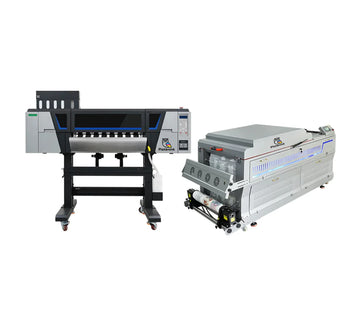


DTF transfers on fabric can work well if the DTF transfer and stretch fabric are compatible. The main challenge is heat. Heat. A design must stay attached when stretch fabric moves, and the stretch fabric must also handle the heat press without damage. Polyester‑spandex blends are common in activewear. Very stretchy items and nylon blends need more testing. If printing sportswear or performance clothing in Boston, Bostonian DTF offers custom DTF transfers with pressing instructions, but it is best to test the exact stretch fabric before a large run.
Why Is Stretch Fabric Different?
Stretch fabric moves more than a cotton T‑shirt. Think about leggings, gym shirts, cycling wear, or compression tops. Stretch fabric may stretch every time the person bends, runs, or moves.
A stiff design can fight against that movement.
The Transfer Has to Move With the Garment
Good DTF transfers on stretchy fabric need enough flexibility for the way the garment is used.
A shirt with only a little stretch is easier.
Compression clothing can stretch much more.
So, the same design may behave differently on two garments that look almost the same.
Which Stretch Fabrics Can Work With DTF?
There is no single fabric that covers all activewear.
You may see polyester-spandex, nylon-spandex, polyester blends, or other performance fabrics.
|
Fabric type |
DTF starting point |
Main concern |
|
Polyester-spandex |
Often worth testing |
Heat and dye migration |
|
Polyester stretch shirt |
Common option |
Heat sensitivity |
|
Nylon-spandex |
Needs careful testing |
Adhesion and heat |
|
Compression fabric |
Needs stretch testing |
High fabric movement |
|
Cotton-spandex |
Often easier |
Transfer flexibility |
|
Coated sports fabric |
Test first |
Surface may affect bonding |
The safest rule is simple.
Check the fabric. Check the transfer. Test one piece.
Can You Use DTF on Polyester-Spandex?
Yes, DTF transfers on polyester-spandex can work when the transfer is suitable for the fabric.
Polyester is already common in DTF printing. Spandex adds more stretch.
This means you need to think about both heat and movement.
Watch for Heat Problems
Polyester can be more sensitive to heat than cotton.
Epson's own DTF guide uses a lower example temperature for polyester than cotton in its system. It also warns that the correct setting depends on the exact fabric and transfer materials.
That does not mean you should copy Epson's number for another transfer.
It simply shows why fabric type matters.
Can You Use DTF on Nylon-Spandex?
DTF transfers on nylon spandex can be harder.
Nylon can react differently to heat and adhesive. Some nylon garments may also have coatings or finishes.
Because of this, do not assume a regular DTF transfer will work just because the garment stretches.
Check Transfer Compatibility First
Ask whether the exact transfer is approved for nylon.
If the transfer maker does not list nylon as a suitable fabric, test before accepting a large job.
A small sample is much cheaper than replacing a whole team order.
Can You Use DTF on Sportswear?
Yes, DTF transfers on sportswear can be a good option for team shirts, gym clothing, training tops, and some uniforms.
But sportswear is a wide category.
One shirt may be 100% polyester.
Another may contain 10% spandex.
Another may be nylon.
Read the Garment Label
The label gives you useful information about the fabric.
Do not press based only on how the shirt feels.
Two smooth athletic shirts can have very different fiber blends.
Know what you are pressing first.
What About Performance Fabric?
DTF transfers on performance fabric need the same careful approach.
Performance clothing is often made to stretch, breathe, dry fast, or move sweat away from the skin.
That makes the garment useful, but it can also make decoration more challenging.
Keep the Design Practical
Large solid graphics can feel heavier on thin activewear.
Smaller logos or designs with open spaces can often feel more natural on a lightweight shirt.
The best artwork is not always the biggest artwork.
Think about how the person will wear the garment.
How Do You Apply DTF to Stretch Fabric?
If you want to learn how to apply DTF transfers to stretch fabric, start with the transfer instructions.
Do not guess the temperature.
Do not guess the peel method.
Do not guess the time.
Prepare the Garment
Lay the garment flat.
Make sure the pressing area has no wrinkles.
Keep thick seams, zippers, pockets, and raised areas away from the pressing area when possible.
Then place the design where you want it.
Good pressure needs a flat surface.
How Do You Press DTF on Spandex?
When pressing DTF on spandex, the biggest rule is to avoid treating every spandex garment the same.
Spandex is often blended with another fiber.
For example, a shirt may be 95% polyester and 5% spandex.
Another may contain nylon and spandex.
Those two garments may need different care.
“The fabric label and transfer instructions should decide your press setup, not a number copied from another job.”
That one rule can save a lot of damaged garments.
What Heat Press Settings Should You Use?
There is no universal answer for DTF heat press settings for spandex.
There is also no single set of DTF heat press settings for stretch fabric.
The settings depend on the transfer, fabric, heat press, pressure, and garment construction.
The current custom transfer product page gives 320 to 325°F for 9 to 15 seconds as a starting point for that specific product. It also says users should adjust the press for the garment and machine.
Do Not Use That Number Blindly
A starting setting for a general DTF transfer does not mean every spandex or performance garment can handle it.
Some stretch fabrics may need a different transfer system or lower-temperature process.
Test the garment first.
If the clothing maker gives a maximum heat recommendation, respect it.
How Do You Press DTF Transfers on Stretchy Fabric?
For how to press DTF transfers on stretchy fabric, focus on four things.
Heat.
Time.
Pressure.
Peel method.
The transfer maker should give you those instructions.
The current custom transfer page uses a hot-peel method and recommends a short second press for its product.
Other transfers may use different instructions.
Follow the product instructions in your hand.
Should You Stretch the Fabric While Pressing?
Usually, you should press the garment in its normal flat shape unless the transfer instructions say otherwise.
Do not pull the fabric wide before pressing.
That can change the shape of the design when the garment returns to its normal size.
Test Stretch After Pressing
After the transfer is finished and has cooled as required, gently stretch the garment.
Watch the print.
Does it move with the fabric?
Do you see cracks?
Do the edges lift?
Does the print stay smooth when the fabric returns to shape?
That simple test tells you a lot.
What Can Go Wrong on Stretch Fabric?
Stretch garments can fail in a few common ways.
|
Problem |
Possible reason |
What to check |
|
Print cracks when stretched |
Transfer may be too stiff |
Transfer compatibility |
|
Edge lifts |
Weak bond or pressure |
Press settings |
|
Fabric looks shiny |
Too much heat or pressure |
Lower-risk setup |
|
Shirt changes color |
Heat reaction |
Test temperature |
|
Design looks warped |
Fabric stretched during pressing |
Press garment flat |
|
Dye enters the print |
Polyester dye migration |
Transfer and heat choice |
Do not try to solve every problem by adding more heat.
More heat can make a sensitive garment worse.
Can DTF Work on Compression Clothing?
DTF transfers on compression wear need extra testing because these garments stretch a lot during use.
A print may look perfect while the shirt is flat.
Then the garment stretches around the body and the design changes.
Test It Under Real Stretch
After pressing a sample, stretch the decorated area in different directions.
Do not try to tear it.
Just copy the movement the garment will see during normal use.
If the print cracks, separates, or feels too stiff, the transfer may not be right for that garment.
Does Design Size Matter?
Yes.
Imagine a large solid rectangle across the front of a stretchy running shirt.
The fabric can move around it, but the printed area may feel much less flexible.
A smaller logo places less printed material over the stretch zone.
Think About Design Placement
Chest logos are often easier than huge designs across areas that stretch heavily.
Leggings and compression clothing can stretch across thighs, knees, hips, shoulders, and arms.
Place artwork with movement in mind.
This can improve both comfort and appearance.
How Durable Are DTF Transfers on Stretch Fabric?
There is no fixed lifespan for DTF on stretch fabric.
Durability depends on the transfer, fabric, pressing, amount of stretch, washing, drying, and daily use.
The current transfer care instructions recommend washing garments inside out in cold water and using low heat or air drying.
Stretch Adds More Stress
A regular shirt may only move a little.
Sportswear can move again and again during every workout.
That repeated stretching puts more stress on the printed area.
Proper pressing matters, but choosing the right transfer for the fabric matters too.
How Can Boston Businesses Use Stretch-Fabric DTF?
Boston has a large fitness, event, business, and sports community.
A South Boston gym may need training shirts.
A Cambridge running group could order performance tops.
A Roxbury youth team may need uniforms.
A Dorchester fitness coach might want branded workout clothing.
The City of Boston says the city has more than 18,000 small businesses that employ about 127,000 people and generate close to $28 billion each year.
Custom athletic clothing can be useful for gyms, clubs, trainers, teams, events, and local brands.
What Should You Check Before a Large Order?
Start with one sample garment.
Use the same fabric that will be used for the real order.
Press the transfer with the correct instructions.
Check the fabric after pressing.
Then stretch the design.
Wash the test garment using the care method you plan to recommend.
Check it again.
If the sample looks good, you have much better information before printing 25, 50, or 100 pieces.
What About Artwork Rights?
Sportswear often includes team logos, school names, business marks, or branded artwork.
Make sure you have permission to print artwork that you do not own.
Do not assume an image found online is free to use.
If copyright or trademark ownership is unclear, speak with a qualified attorney.
This is general business information, not legal advice.
Conclusion
DTF transfers on stretch fabric can work well, but testing matters.
Check the fabric label.
Find out whether the garment contains polyester, spandex, nylon, or a blend.
Use the correct transfer settings.
Press the garment flat.
Then test the finished print under normal stretch.
For high-stretch clothing, the best result comes from matching the transfer to the fabric instead of forcing one process onto every garment.
Simple idea... but very important.
Start Your Stretch-Fabric DTF Project in Boston
Need custom athletic shirts, gym clothing, team wear, stretch tops, or performance apparel? Bostonian DTF offers custom DTF transfer options for Boston-area creators and businesses. Check your garment's fabric first, test one piece, and move to a larger order only after the transfer performs the way you need.
FAQs
Can DTF transfers be used on stretchy fabric?
Yes. DTF transfers can work on stretchy fabric when the transfer and garment are compatible. Test the exact fabric first because different blends stretch and react to heat in different ways.
Can DTF transfers be used on spandex?
Yes, some DTF transfers can work on spandex blends. Check what other fibers are in the garment and follow the transfer maker's heat and pressure instructions.
Can DTF be used on polyester-spandex clothing?
Yes. Polyester-spandex garments can be suitable for DTF, but they need careful heat testing because polyester can be sensitive to high temperatures.
Can DTF transfers be used on nylon-spandex?
They may work, but nylon-spandex can be more difficult. Use a transfer that is suitable for the fabric and test one garment before a large order.
What temperature should I use for DTF on stretch fabric?
There is no single temperature for every stretch fabric. Use the instructions for your exact transfer and check the garment's heat limits before pressing.
Should I stretch the garment while pressing DTF?
Usually, no. Press the garment in its normal flat shape unless the transfer instructions say otherwise. Stretch the finished sample afterward to check performance.
Can DTF transfers be used on compression wear?
Yes, in some cases. Compression wear stretches a lot, so test the finished design under normal stretch before producing a full order.
Why does my DTF transfer crack when the fabric stretches?
The transfer may not have enough flexibility for the garment, or the pressing settings may be wrong. Test the transfer, fabric, heat, pressure, and design size before a larger run.


