




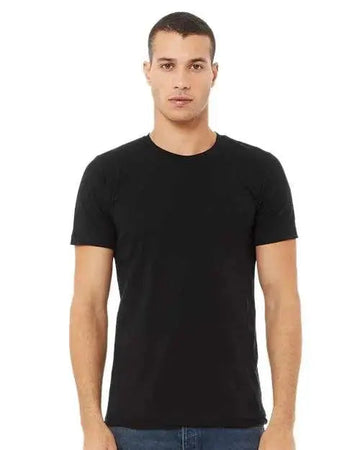
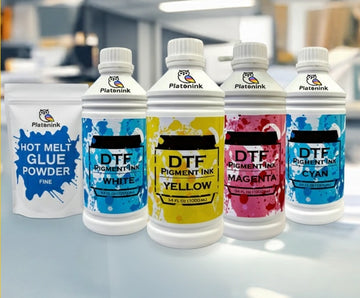
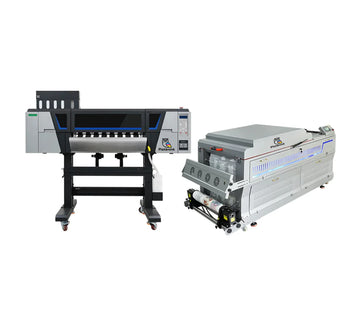


DTF transfers on cotton and DTF transfers on polyester can both create detailed prints. The main difference is the amount of heat used. Cotton can usually take heat. Polyester needs care because too much heat can harm the fabric or make the garment dye spread into the printed design. So always check the fabric label. Follow the instructions for the specific transfer you are using. For Boston creators and apparel businesses, Bostonian DTF currently offers custom DTF transfers that can be applied to cotton, polyester, and compatible blends.
What Is the Main Difference Between Cotton and Polyester?
The easiest way to understand DTF cotton versus polyester is to look at the fabric itself.
Cotton is a fiber. Polyester is a fiber.
Both can work with DTF. Polyester is usually more sensitive to heat.
Why Does Heat Matter?
A heat press uses heat plus pressure to move the transfer from the film onto the garment.
Too little heat may cause poor bonding.
Too much heat can damage the fabric or create other problems.
That is why DTF transfers for cotton vs polyester should not always be treated with the same press setup.
Are DTF Transfers Easier to Apply on Cotton?
I find that, in some cases, yes.
Cotton is a fabric for DTF because cotton handles normal heat pressing well, and cotton gives a stable surface to work with.
What Should You Check Before Pressing Cotton?
Make sure the cotton shirt is flat and dry.
Remove wrinkles, lint, and anything else that may sit under the DTF transfer.
Place the DTF transfer design on an area away from thick seams, zippers,s or pockets.
For DTF transfers on cotton goods, pressure across the cotton design is just as important as temperature.
What Temperature Should You Use on Cotton?
There is no single DTF transfer temperature for cotton that works with every DTF product.
This point is important.
The current custom transfer page gives 320 to 325°F for 9 to 15 seconds as a starting point and says you should adjust the press for the garment and machine.
Epson's own DTF guide uses 338°F for 25 seconds as an example for cotton shirts in its specific process. It also says the correct conditions can change depending on the film, powder, equipment, fabric, and ink.
So, do not copy a temperature from another product and assume it will work.
Why Does Polyester Need More Care?
Polyester can react to heat in ways that cotton does not.
The fabric may scorch, leave a press mark, or release some of its dye.
That last problem is called dye migration.
What Is Dye Migration?
Dye migration happens when color from polyester moves into the transfer.
For example, a white design pressed onto a red polyester shirt may begin to look pink.
STAHLS explains that dyes in polyester can become active again when heated and may move into a heat-applied design.
That is one reason dark polyester deserves a test press before a large job.
What Temperature Should You Use on Polyester?
There is no universal DTF transfer temperature for polyester either.
Different transfer systems need different settings.
Epson's DTF guide gives 284°F for 25 seconds as an example for polyester in its own process. The same guide gives a higher example temperature for cotton.
That does not mean 284°F is correct for every transfer.
Why Can Lower Heat Help?
Lower heat can reduce stress on heat-sensitive polyester.
It may also reduce the risk of dye migration.
STAHLS recommends using lower application temperatures when working with polyester when the transfer system supports it.
Your heat press settings for polyester DTF should always match the exact transfer you bought.
Cotton vs Polyester DTF at a Glance
Here is a simple view of cotton vs polyester DTF printing.
|
Fabric |
Heat tolerance |
Main concern |
Best approach |
|
Cotton |
Usually higher |
Poor bonding if under-pressed |
Follow transfer settings |
|
Polyester |
Usually lower |
Dye migration or heat marks |
Test first |
|
Dark polyester |
Needs care |
Dye may move into print |
Use compatible settings |
|
Blended fabric |
Varies |
Depends on fiber mix |
Read the label |
|
Performance wear |
Often sensitive |
Heat and dye issues |
Test one garment |
The table is a guide, not a press recipe.
Your transfer instructions always come first.
Can You Use DTF on Polyester Hoodies?
Yes.
DTF transfers on polyester hoodies can work well when the fabric and transfer are compatible.
The challenge is that hoodies can have thick seams, pockets, zippers, or textured areas.
Find a Flat Pressing Area
A transfer needs even pressure.
If part of the design sits over a thick seam, one section may receive less pressure than the rest.
Use a flat pressing area whenever possible.
Also check the hoodie label. A polyester hoodie may include other fibers or special coatings that change how it reacts to heat.
What About Cotton and Polyester Blends?
A cotton-polyester blend can give you some qualities from both materials.
A 50/50 shirt, for example, contains both cotton and polyester.
That means it should not automatically be treated like a 100% cotton shirt.
Check the Polyester Percentage
The more polyester a garment contains, the more careful you may need to be about heat and dye migration.
STAHLS also recommends checking the garment label because high-polyester blends can face some of the same dye migration problems as 100% polyester.
When in doubt, make one test shirt.
Which Fabric Gives Better DTF Durability?
There is no fair answer that says one fabric always wins.
DTF transfer durability on cotton depends on the transfer quality, pressing, washing, drying, garment surface, and daily use.
The same is true for DTF transfer durability on polyester.
A correctly pressed polyester shirt can last longer than a badly pressed cotton shirt.
Application matters.
Pressing Is Only Half the Story
Washing matters too.
The current transfer care guidance recommends turning garments inside out, using cold water, and using low heat or air drying.
Follow the care instructions for the exact transfer you use.
What Happens If the Press Is Too Hot?
On cotton, too much heat can affect the garment or transfer.
On polyester, the risk can be greater.
You may see shine marks, color changes, fabric damage, or dye migration.
Do Not Fix Every Problem With More Heat
A common production mistake is seeing a lifting corner and immediately raising the temperature.
More heat is not always the answer.
The real problem may be pressure, pressing time, an uneven platen, moisture, or the wrong transfer setting.
“The best press setting is the one tested for the transfer and the garment in front of you.”
That is safer than guessing.
Should You Pre-Press Cotton and Polyester?
A short pre-press can help remove moisture and wrinkles when the transfer instructions call for it.
But polyester needs care because unnecessary heat can create problems.
Follow the transfer maker's directions.
Do not keep heating the garment longer than needed.
What About the Peel Method?
Some transfers are hot peel.
Others need a warm or cold peel.
The current custom transfer product uses a hot-peel process. Its instructions say to peel the film while the transfer is still hot.
Other transfer systems may be different.
Always check before pulling off the carrier.
Peeling at the wrong time can ruin an otherwise good press.
How Should You Test Polyester Before a Large Order?
Make one sample using the same garment that will be used for the full job.
Press it using the transfer maker's recommended starting settings.
Then inspect the color, fabric surface, edges, and design.
Check It Again Later
Dye migration may not always appear the second the shirt leaves the press.
STAHLS notes that migration can sometimes show up after pressing rather than right away.
So, for important polyester jobs, checking the test garment again before running the whole order is a smart move.
How Does Fabric Choice Affect Boston Apparel Orders?
Boston has a wide mix of clothing needs.
Cotton tees may work well for local cafés, clubs, school events, artists, and everyday merchandise.
Polyester is common for sports shirts and performance clothing.
For a Roxbury community event, cotton shirts may be the simple choice. A South Boston fitness group may prefer polyester performance shirts. A Cambridge startup might choose a blend for staff apparel.
The material needs to go with how the final shirt will be used.
The City of Boston states that the city has more than 18,000 small businesses that hire 127,000 people and bring in almost $28 billion every year.
This means that dependable clothing printing is helpful for kinds of local businesses, events, teams, and groups.
What Should You Check Before Pressing?
First, read the garment label.
Check whether the shirt is cotton, polyester, or a blend.
Then check the instructions that came with the transfer.
Make sure the heat press is giving even pressure.
Do not guess the peel method.
If the garment is polyester or unfamiliar, test one piece first.
That is usually much cheaper than replacing a whole order.
What About Artwork Rights?
Cotton and polyester follow the basic copyright rules. Copyright laws apply to both fabrics.
If you are printing a logo, character, photograph, or artwork that was created by someone, make sure you have the right to use it.
Do not assume that finding an image online means it is free to print and sell.
If ownership or trademark rights are unclear, talk to an attorney.
This is business information, not legal advice.
Conclusion
DTF transfers on cotton and polyester can both give you strong, colorful prints.
Cotton is often easier because it can usually handle more heat.
Polyester needs more testing because heat can affect the fabric and cause dye migration.
The safest process is simple.
Check the label.
Follow the exact transfer instructions.
Use the right time, heat, pressure, and peel method.
Then test unfamiliar garments before starting a large order.
Choose the Right DTF Setup for Your Cotton or Polyester Project in Boston
Need transfers for cotton shirts, polyester sportswear, hoodies, blends, or business apparel? Bostonian DTF offers custom DTF transfer options for Boston-area creators, brands, and print shops. Check your fabric first, follow the transfer instructions, and test one garment when you are working with a new material.
FAQs
Do DTF transfers work on cotton?
Yes. DTF transfers can work very well on cotton when you use the correct heat, pressure, pressing time, and peel method for the transfer.
Do DTF transfers work on polyester?
Yes. DTF transfers can work on polyester, but polyester needs more care because too much heat can damage the fabric or cause dye migration.
Is cotton easier to heat press than polyester?
Cotton is often easier because it can usually handle more heat. Polyester can be more sensitive to high temperatures.
What temperature should I use for DTF on cotton?
There is no single temperature for every DTF transfer. Follow the instructions for your exact transfer and test your heat press before a large order.
What temperature should I use for DTF on polyester?
Use the temperature recommended for your exact transfer and garment. Polyester may need a lower temperature than cotton in some DTF systems.
What is dye migration on polyester?
Dye migration happens when color from the polyester fabric moves into the printed transfer after heat is applied.
Can DTF transfers be used on cotton-polyester blends?
Yes. DTF can work on compatible blends. Check the fiber content and test garments with a high polyester percentage before a large run.
Which lasts longer, DTF on cotton or polyester?
Neither fabric always lasts longer. Durability depends on the transfer, correct pressing, fabric surface, washing, drying, and how the garment is used.


