





If you are printing DTF transfers one by one, you are already losing money without realizing it. Gang sheet printing fixes that by combining multiple designs on a single film, reducing waste and lowering your cost per transfer almost immediately.
At Bostonian DTF, we see this every day in real production. Small layout improvements often increase usable space by 15–30%, which directly improves profit margins without changing ink, machines, or workflow speed.
What is DTF Gang Sheet Printing?
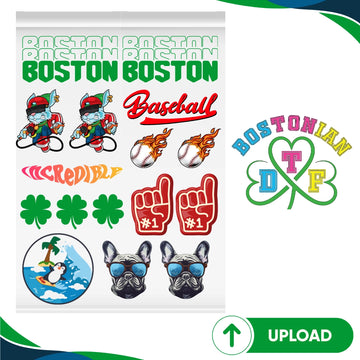
DTF gang sheet printing is a method where multiple designs are arranged on one large transfer sheet instead of printing each design separately. This allows print shops to fully utilize film space and reduce leftover material.
In simple terms, instead of printing ten separate sheets for ten designs, you print everything on one optimized layout. That alone reduces setup time, material usage, and production cost.
Gang sheets are especially useful for small apparel brands, Etsy sellers, and print shops that handle mixed orders or bulk custom jobs.
Why Gang Sheet Printing Improves Profit Margins
Gang sheets are not just a printing method, they are a cost-control system. When you reduce wasted film space, every inch of material starts producing revenue. That is where profit improvement comes from.
In real production environments at Bostonian DTF, we consistently see that better layout planning reduces cost per transfer without changing machine settings or ink usage.
Gang Sheet Printing Benefits for Print Shops
Gang sheet printing brings operational advantages that go beyond cost savings. It improves workflow speed because operators spend less time loading and printing separate files. It also helps manage bulk orders more efficiently by grouping multiple customer designs into a single production run.
Another major benefit is flexibility. One sheet can include different design sizes, from small logos to full chest prints, allowing shops to handle mixed orders without switching setups. For growing print businesses, this flexibility becomes essential for scaling production.
How to Choose the Right Gang Sheet Size
Choosing the right sheet size is where most profit mistakes happen. Many shops pick larger sheets thinking it gives more value, but unused space actually increases cost.
The correct approach is to match sheet size with your actual design volume. Smaller sheets work best for low-volume custom orders or simple logo prints. Medium sheets are ideal for daily mixed orders. Larger sheets are used for bulk production where space optimization is critical.
Standard Gang Sheet Usage Guide
|
Sheet Type |
Best Use Case |
Efficiency Level |
|
Small Sheet |
Logo batches |
Medium |
|
Medium Sheet |
Mixed orders |
High |
|
Large Sheet |
Bulk printing |
Very High |
Smart Layout Strategies to Maximize Efficiency
A gang sheet is only profitable if it is properly arranged. Poor layout leads to wasted space, even if you use the correct sheet size. The first step is grouping designs based on garment type. Keep chest logos together, sleeve prints together, and full-size graphics in one section. This reduces confusion during pressing and speeds up production.
Spacing is equally important. Designs should never touch or overlap because that creates cutting errors and production delays. Nesting is where real efficiency happens. Smaller designs can be placed in unused gaps around larger graphics. This “puzzle-style” arrangement is what turns a good sheet into a highly profitable one.
Reducing Waste in DTF Printing
Waste reduction is not just about material; it is about planning. Most waste happens when designs are placed randomly without considering how the sheet will be cut or pressed later.
To minimize waste, always visualize the cutting process before finalizing your layout. Ask yourself how each design will be separated physically after printing.
At Bostonian DTF, we follow a simple rule: if a design cannot be cut cleanly or pressed efficiently, it does not belong on the sheet.
Bulk DTF Gang Sheets Strategy
Bulk gang sheet printing is one of the fastest ways to increase profit margins in a print business. Instead of printing small batches repeatedly, you combine multiple orders into a single optimized sheet. This reduces machine setup time and improves ink efficiency.
Bulk printing also allows better material utilization, especially when multiple customers are ordering similar design sizes. However, bulk sheets must still be carefully organized. Random placement in bulk printing leads to confusion during cutting and increases error rates.
Cost Breakdown and Profit Impact
Understanding cost per transfer is essential if you want to scale your printing business. Even small improvements in layout can significantly reduce your cost per design.
A well-optimized gang sheet spreads fixed costs like film and ink across more usable designs, lowering the cost per piece.
Example Cost Comparison
|
Sheet Efficiency |
Designs per Sheet |
Cost per Transfer |
Profit Outcome |
|
Low Efficiency |
8 designs |
High |
Low margin |
|
Medium Efficiency |
12 designs |
Balanced |
Stable profit |
|
High Efficiency |
16+ designs |
Low |
High profit |
Common Gang Sheet Mistakes That Kill Profit
One of the biggest mistakes is overfilling the sheet. While it may look efficient, it makes cutting difficult and increases production errors. Another issue is ignoring garment sizing. A design that looks correct on screen may be too large or too small when pressed on actual fabric.
Low-resolution artwork is also a major problem. DTF printing captures every detail, so poor-quality files reduce final print quality. Finally, many shops ignore production orders. If designs are not grouped correctly, pressing becomes slower and less organized.
Tools & Workflow for Better Gang Sheet Printing
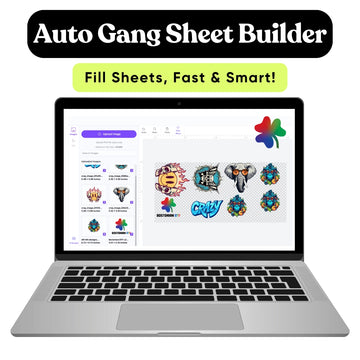
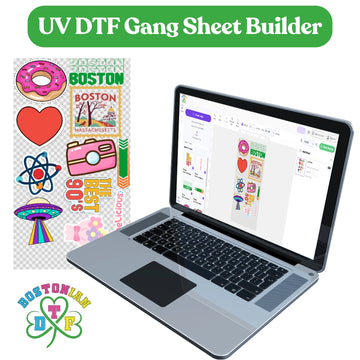
Modern print shops rely on layout tools to improve accuracy and efficiency. Design software like Photoshop or Canva helps with manual layout control. Online gang sheet builders simplify the process by allowing drag-and-drop arrangement of designs.
The goal is simple: visualize your entire sheet before printing. This prevents costly mistakes and reduces wasted film.
Start Printing Smarter Today
If you are still printing individual transfers, you are leaving money on the table. Upgrade your workflow with optimized gang sheet printing and start improving your profit margins immediately.
Explore professional DTF solutions, bulk printing options, and high-efficiency layouts at Bostonian DTF.
Conclusion
Gang sheet printing is not just a technique, it is a profit strategy. When used correctly, it reduces waste, improves production speed, and maximizes every inch of film.
The difference between average and high-profit print shops is not equipment, it is efficiency. To explore more printing solutions and start optimizing your workflow, visit Bostonian DTF..
FAQs
How does gang sheet printing reduce waste in DTF printing?
Gang sheet printing reduces waste by combining multiple designs on one sheet, maximizing film usage and minimizing unused space during production, which directly lowers material cost per transfer.
Is gang sheet printing better than individual DTF transfers?
Yes, gang sheet printing is more efficient because it reduces setup time, improves material usage, and allows multiple designs to be printed in a single production run, increasing overall profitability.
What is the best sheet size for gang sheet printing?
The best sheet size depends on order volume and design dimensions. Medium sheets are most efficient for mixed orders, while large sheets are ideal for bulk production and high-volume printing.
Can small businesses benefit from gang sheet printing?
Yes, small businesses benefit greatly because gang sheets reduce production costs, allow flexible design placement, and improve workflow efficiency without requiring expensive equipment upgrades.
How do I maximize space on a gang sheet?
You can maximize space by grouping similar designs, maintaining proper spacing, and using nesting techniques to fit smaller graphics into unused areas around larger designs.
What mistakes should I avoid in gang sheet printing?
Avoid overfilling the sheet, using low-resolution artwork, ignoring garment sizing, and placing designs without considering cutting and pressing workflow requirements.
Does gang sheet printing improve profit margins?
Yes, it increases profit margins by reducing material waste and lowering cost per transfer, allowing more designs to be printed using the same amount of film and ink.
What tools are used for gang sheet layout design?
Common tools include Photoshop, Canva, and online gang sheet builders that allow drag-and-drop placement and real-time layout optimization before printing.
Can gang sheets be used for bulk orders?
Yes, gang sheets are ideal for bulk orders because they allow multiple customer designs to be combined into a single print run, improving efficiency and reducing costs.
Why do professional print shops prefer gang sheets?
Professional print shops prefer gang sheets because they reduce waste, improve production speed, and allow better control over cost per transfer, leading to higher overall profitability.


