










Key Highlights
- To start DTF printing business successfully, create a detailed dtf transfer business plan first.
- Average dtf transfer business cost depends on equipment quality and production scale.
- Reliable dtf business equipment ensures consistent quality and customer satisfaction.
- Focused dtf business niches improve branding and marketing results.
- Strong dtf printing marketing tips accelerate customer acquisition and growth.
The custom apparel industry is evolving fast, and one of the biggest opportunities right now lies in DTF transfers. Entrepreneurs everywhere are realizing that this printing method offers flexibility, low setup barriers, and impressive profit margins. If you’ve been wondering how to start DTF transfer business successfully, you’re in the right place.
Starting any venture can feel overwhelming, especially in printing. But the truth is, when you understand the system, build a smart strategy, and invest wisely, launching your own DTF transfers brand becomes far less intimidating. This guide walks you step by step through everything you need to know, from planning and equipment to marketing and scaling.
Understanding the Opportunity
Before you start DTF printing business operations, you need to understand why this model works. Direct to Film printing allows designs to be printed onto film and transferred to garments using heat. The result is vibrant color, strong durability, and compatibility with cotton, polyester, blends, and more.
The low minimum order potential makes it perfect for startups. Unlike screen printing, you don’t need large batch commitments. That’s why many entrepreneurs consider this the ideal dtf business for beginners looking to enter the apparel space without massive overhead.
When structured properly, DTF transfers can serve small brands, local businesses, sports teams, influencers, and eCommerce sellers.
Step 1: Create a Clear Business Plan
Every successful company begins with a roadmap. A strong dtf transfer business plan helps you avoid guesswork and manage costs effectively. Your plan should include:
-
Startup investment breakdown
-
Target market
-
Pricing model
-
Production capacity
-
Marketing strategy
-
Break even timeline
Many failed ventures skip this stage. If you're serious about learning how to start dtf transfer business professionally, treat planning as your foundation. A detailed dtf transfer business plan also makes it easier to secure funding if needed.
Step 2: Understand Startup Costs
One of the most common questions is about dtf transfer business cost. Your investment depends on whether you print in house or outsource initially. Typical startup expenses include:
-
Printer
-
Heat press
-
Film and powder
-
Ink supply
-
Software
-
Workspace setup
On average, a full dtf transfer business startup can range from moderate to significant investment depending on equipment quality. However, many entrepreneurs reduce initial dtf transfer business cost by starting with gang sheets or outsourcing production before upgrading.
Step 3: Choose the Right Equipment
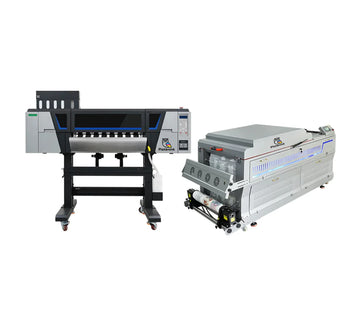
Your dtf business equipment directly impacts print quality and production speed. This is not the place to cut corners. Essential tools include:
-
DTF printer
-
Powder shaker
-
Curing oven
-
Professional heat press
-
Design software
High quality dtf business equipment ensures consistent results, fewer reprints, and better customer satisfaction.
If you're building a dtf business for beginners setup, start with reliable mid range equipment rather than the cheapest options available.
Step 4: Define Your Niche
One mistake new entrepreneurs make is trying to serve everyone. Instead, focus on specific dtf business niches. Some profitable dtf business niches include:
-
Small clothing brands
-
Fitness apparel
-
School spirit wear
-
Corporate uniforms
-
Event merchandise
-
Etsy shop sellers
Choosing clear dtf transfer business ideas helps you position yourself as a specialist instead of just another printer. Strong positioning makes marketing easier and increases perceived value.
Step 5: Secure Reliable Suppliers
Quality materials define your reputation. That’s why building a dependable dtf transfer suppliers list is essential early on.
Your dtf transfer suppliers list should include:
-
Film providers
-
Ink manufacturers
-
Powder suppliers
-
Blank garment wholesalers
-
Packaging suppliers
Working with trusted suppliers ensures consistency, which is critical for scaling your dtf transfer business startup smoothly.
Step 6: Follow Clear Production Steps
To start DTF printing business operations efficiently, you need standardized workflows. Clear dtf printing business steps reduce waste and improve turnaround times.
Core dtf printing business steps include:
-
Artwork preparation
-
Printing on film
-
Powder application
-
Curing
-
Heat pressing
-
Quality check
-
Packaging
Having documented dtf printing business steps ensures you can train staff easily as you grow.
Step 7: Develop a Strong Brand
Your brand is more than a logo. It’s your identity. If you're learning how to start dtf transfer business long term, think beyond printing.
Ask yourself:
-
Who is your ideal customer?
-
What makes you different?
-
Do you compete on speed, quality, or price?
Clear branding strengthens your dtf transfer business ideas and makes customer acquisition easier.
Step 8: Market Smartly
Even the best printing setup won’t succeed without visibility. Applying effective dtf printing marketing tips will separate you from competitors. Proven dtf printing marketing tips include:
-
Showcasing before and after visuals
-
Posting behind the scenes videos
-
Partnering with local influencers
-
Offering bulk discounts
-
Running targeted social ads
Marketing consistency is more important than perfection. When done correctly, marketing accelerates your dtf transfer business startup growth.
Step 9: Price for Profit
Many beginners underprice services. That’s risky. Your pricing must cover:
-
Materials
-
Labor
-
Overhead
-
Marketing
-
Equipment depreciation
Understanding true dtf transfer business cost helps you calculate profitable pricing structures without racing competitors to the bottom. Healthy margins allow reinvestment into better dtf business equipment and expansion.
Step 10: Scale Strategically
Once steady orders begin, scaling becomes your focus. Expansion may include:
-
Hiring staff
-
Adding faster printers
-
Expanding to wholesale
-
Launching your own apparel brand
Growth should follow demand, not emotion. When structured properly, dtf transfers can evolve from a home based setup into a fully operational production business.
Conclusion
Building a successful printing company isn’t about luck, it’s about structure, clarity, and smart decisions. If you truly want to learn how to start dtf transfer business the right way, focus on planning, quality equipment, clear positioning, and consistent marketing.
The beauty of DTF transfers is flexibility. You can begin small, test markets, refine systems, and scale confidently over time.
If you're ready to take the next step and explore professional grade supplies, equipment, and support, visit Bostonian DTF.
FAQs
1. How much does it cost to start a DTF transfer business?
The dtf transfer business cost varies based on equipment quality, workspace setup, and supply inventory. Beginners often reduce expenses by outsourcing before investing in full in house production equipment.
2. Is DTF printing profitable for beginners?
Yes, dtf business for beginners can be profitable with smart pricing, proper planning, and focused marketing. Low minimum order flexibility allows new businesses to enter markets without massive overhead.
3. What equipment do I need to start?
You need essential dtf business equipment including a DTF printer, curing oven, powder shaker, heat press, film supplies, ink, and design software to begin professional production.
4. How long does it take to launch?
Most entrepreneurs complete their dtf transfer business startup setup within weeks, depending on equipment delivery, supplier arrangements, workspace readiness, and branding preparation.
5. Do I need design skills?
Basic design knowledge helps, but many entrepreneurs hire freelance designers while focusing on operations and sales during early business stages.
6. What niches are best for DTF businesses?
Profitable dtf business niches include small fashion brands, corporate uniforms, school apparel, fitness clothing, and online merchandise sellers seeking low minimum custom printing.
7. Should I outsource or print in house?
Many start by outsourcing while building customers, then transition to in house production once order volume justifies equipment investment.
8. How do I market my DTF services?
Apply strong dtf printing marketing tips such as social media demonstrations, influencer partnerships, local networking, and targeted online ads to build visibility and customer trust.
9. What are the biggest beginner mistakes?
Skipping a proper dtf transfer business plan, underpricing services, choosing cheap equipment, and ignoring marketing are common mistakes that limit growth potential.
10. How do I scale my DTF business?
Scale by reinvesting profits into better equipment, hiring help, expanding niches, improving marketing, and increasing production capacity gradually as consistent demand grows.


