









Key Highlights
- Upgrade signals: Increased orders, frequent maintenance, or long print times indicate it’s time for a commercial DTF printer.
- Boost workflow: Commercial printers reduce downtime, handle bulk runs, and improve print consistency.
- Space & setup: Ensure sufficient area, ventilation, and power for optimal performance.
- Throughput matters: Choose a printer that matches your daily order volume, not just top speed specs.
- Long-term ROI: Investing in commercial DTF equipment increases efficiency, reduces errors, and grows profits.
It's wise to start modest when it comes to DTF printing. However, your equipment needs to expand along with your business. Your production quality, speed, and profit can all be significantly impacted by knowing when to go from a desktop model to a commercial DTF printer. Let's discuss when it's appropriate to take that action and things to think about before making an investment.
The Need for a Commercial DTF Printer
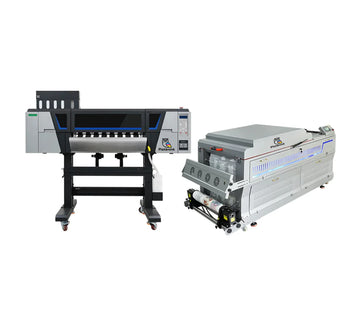
When you first begin printing, a small machine does the job well. But once your orders increase, it can’t keep up. A commercial DTF printer offers faster speeds, consistent color output, and longer print runs without interruptions.
If you find yourself turning away customers or spending late nights printing, that’s your sign. It might be time to upgrade to commercial DTF printer equipment to meet demand efficiently.
Signs You’re Ready to Upgrade
Here are some clear indicators that you’ve outgrown your current setup:
-
Increased Orders: You can’t complete daily orders with your current printer.
-
Long Print Times: Jobs take hours instead of minutes.
-
Quality Issues: Your prints lose clarity or color consistency over time.
-
Frequent Maintenance: You spend more time fixing problems than printing.
-
Higher Demand: Clients want bulk or wholesale printing that your setup can’t handle.
If most of these sound familiar, you’re ready to move to a high-volume DTF printing setup.
Benefits of Commercial DTF Printing Equipment
A commercial DTF printing equipment setup comes with real advantages. You’ll see:
-
Faster printing: Handle large batches in less time.
-
Better durability: Designed for long daily use.
-
Consistent results: Maintain the same quality from the first print to the last.
-
Wider film sizes: Ideal for banners, full shirt designs, and larger graphics.
-
Less downtime: Stronger components mean fewer breakdowns.
These upgrades help you handle bulk DTF printing setup projects and scale your business without losing quality.
Industrial DTF Printers: Built for Growth
An industrial DTF printer is perfect for businesses ready to take production to the next level. It can run for long hours, maintain stable temperatures, and deliver precise prints even on large jobs.
If you manage a DTF printer for apparel business, you’ll love how these printers speed up workflow while reducing the need for manual adjustments. You’ll move from small batch production to full scale manufacturing.
Evaluating Throughput and Speed
Before buying, focus on DTF printer throughput and speed. Throughput measures how much the printer can produce in a set time. Speed determines how fast it prints without losing detail.
Balancing both ensures your production-grade DTF workflow runs smoothly. Choose a printer that fits your order volume, not just the highest number on the spec sheet.
Choosing the Right Model for Your Business
When looking for mid-size to enterprise DTF equipment, match your choice to your business size and goals. For medium businesses, a dual head printer might be enough. But for large operations, multi head systems or full commercial apparel customisation machine setups are better.
Make sure your space, ventilation, and power supply can handle it too. Commercial models are heavier and need proper installation to perform well.
How a Commercial DTF Printer Boosts Your Workflow
Moving to a heavy-duty DTF printer for production can transform your day to day tasks. Instead of constant maintenance or slow print speeds, you can focus on meeting orders and growing your client list.
You’ll also see fewer reprints caused by uneven color or banding issues. With a commercial DTF printer, you’ll deliver sharper, more professional results every time.
When to Upgrade Your DTF Printer
So, when to upgrade your DTF printer? The right time is when your business starts losing efficiency or opportunities due to equipment limits.
If you’re running your printer nonstop just to stay on schedule, or your quality isn’t meeting client expectations, that’s your cue. Think long term, investing in a reliable commercial DTF printer pays off through faster turnaround and increased profits.
Setting Up a Bulk DTF Printing Workflow
A bulk DTF printing setup needs more than a good printer. Plan your workflow from start to finish: film storage, powder application, curing, and pressing.
Organize your workspace for quick film handling and label tracking. Proper workflow helps your production-grade DTF workflow stay efficient even during peak seasons.
Conclusion
Although switching to a commercial DTF printer is a significant move, it's frequently the best choice when your company starts expanding quickly. You can increase your capacity, decrease errors, and print more quickly with the correct machine.
To explore reliable printers and commercial grade DTF supplies, visit Bostonian DTF and find the perfect model to power your next business phase.
FAQs
1. What’s the main difference between a small and commercial DTF printer?
A small printer suits light orders, while a commercial DTF printer handles heavy duty jobs, faster print speeds, and larger volumes without losing print consistency or quality.
2. When should I upgrade to a commercial DTF printer?
You should upgrade to commercial DTF printer equipment when you can’t meet order deadlines, need higher speed, or want consistent quality for large production runs.
3. How much space does a commercial DTF printer need?
The majority of industrial DTF printer models require stable power, ventilation, and a specific area. To make sure your workspace is ready, always check the printer's requirements before purchasing.
4. What are the benefits of high volume DTF printing?
High-volume DTF printing helps you meet larger orders faster, improves productivity, reduces perprint costs, and ensures consistent quality across hundreds of garments or film sheets.
5. Can I use my old setup with a new commercial printer?
Yes, but you might need to adjust your production-grade DTF workflow and workspace. Pairing your new printer with better curing and film storage improves results and speed.
6. Do commercial DTF printers require special training?
Most commercial DTF printers are user-friendly but training helps optimize throughput, troubleshoot issues, and maintain consistent print quality for high-volume production environments.
7. Can commercial DTF printers handle multiple designs at once?
Yes, many commercial printers support batch printing with multiple designs, enabling faster turnaround and reducing repetitive manual adjustments for larger orders.
8. How do maintenance needs differ from small printers?
Commercial DTF printers are built for long hours and fewer breakdowns, but regular maintenance ensures longevity and consistent quality across high-volume production.
9. Are running costs higher for commercial models?
Running costs increase slightly due to higher ink and power usage, but efficiency, faster throughput, and reduced reprints generally offset expenses, boosting overall profitability.
10. Can a commercial printer support wholesale orders?
Absolutely. Commercial DTF printers are ideal for bulk printing, enabling faster delivery, consistent quality, and scaling production for wholesale or large clients.


