




Key Highlights
- DTF transfers allow printing on almost any fabric with vibrant, durable results.
- Beginner friendly method requiring minimal setup and easy DTF transfer basics.
- Proper heat pressing ensures maximum adhesion and prevents peeling issues.
- Long lasting DTF transfer durability makes it ideal for commercial and personal projects.
- Following DTF transfer care instructions extends lifespan and maintains color vibrancy.
Starting fresh with custom clothing prints? You might have come across DTF transfers by now. What do those letters mean, though? They stand for Direct to Film, prints made using a special film process. Instead of older techniques, these deliver bright colors that last long and bend easily, fitting nearly every material type, whether it's pure cotton or mixed with polyester. Getting familiar with their function matters if making personalized clothes is your goal.
This beginner's look at DTF transfers walks through what they are, their strong points, how a heat press works with them, how long they last, washing tips, plus pricing hints. When you finish reading, it will be clear if this technique fits your work or company needs.
DTF Transfer Basics
So, what are DTF transfers exactly? They are direct to film transfers, which means your design is printed onto a specialized PET film using a DTF printer and inks. After printing, a powdered adhesive is applied, and the design is cured. This film can then be heat pressed onto your garment.
The DTF transfer basics are simple: print, powder, cure, and press. The process allows you to produce high quality, full color designs that are flexible and durable, making it ideal for DTF transfers for beginners looking for reliable results.
How DTF Printing Works
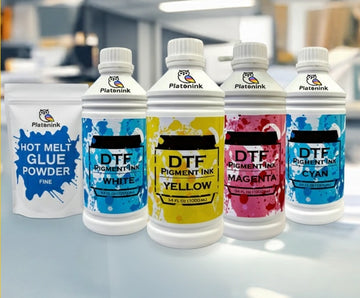
DTF printing involves specialized printers that use water based or pigment inks designed for film applications. The process starts by printing the design in reverse on a clear PET film. Powdered adhesive is sprinkled onto the wet ink and cured. Once cured, the transfer is ready to press onto fabric.
By understanding how DTF printing works, beginners can appreciate its versatility. Unlike screen printing, which requires screens and stencils, or DTG printing that struggles with dark fabrics, DTF transfers allow seamless printing on light or dark textiles with consistent results.
Advantages of DTF Transfers
DTF transfer advantages are what make this method popular among hobbyists and businesses alike:
-
Works on almost any fabric, including cotton, polyester, blends, and even leather.
-
Vibrant and full color prints that maintain their quality after multiple washes.
-
Flexible prints that don’t crack or peel easily.
-
Easy to store transfers and produce on demand, minimizing inventory costs.
For beginners, knowing these DTF transfer advantages ensures confidence in using this method for apparel, bags, hats, and more.
Durability and Care
Washing clothes printed with DTF transfers inside out helps them last longer. Even after many spins in the washer, images stick around without fading fast. Heat can damage the artwork - so skip pressing directly on it with a hot iron. When you hang things up to dry instead of using a dryer, colors stay sharper much longer.
Fresh colors last when DTF transfers get proper care, standing out compared to older vinyl methods. What matters most shows up after washes - details stay sharp. Instead of fading fast like heat-applied designs, these hold their look. Longevity comes from how they’re treated, not just how they’re made. Care steps make the difference over time.
Heat Press Guide for DTF Transfers
The DTF transfer heat press guide is crucial for beginners. Proper heat, pressure, and timing ensure the design adheres perfectly. Typically, the recommended settings are:
-
Temperature: 160–170°C (320–338°F)
-
Pressing time: 15–25 seconds
-
Medium pressure, adjusted for fabric type
Knowing the correct DTF transfer heat press guide helps avoid common mistakes like uneven adhesion, peeling, or color distortion. Beginners should always test a swatch first before full production.
Comparing DTF Transfers with Other Methods
Compared to traditional screen printing or vinyl transfers, DTF transfers offer unmatched flexibility. They are simpler than DTG printing when it comes to dark fabrics and don’t require pre treatment. Beginners often prefer direct to film transfers because of their ease of use, vibrant output, and low DTF printing cost relative to other methods.
Cost Considerations
Understanding DTF printing cost is essential for anyone starting a project or business. Costs include:
-
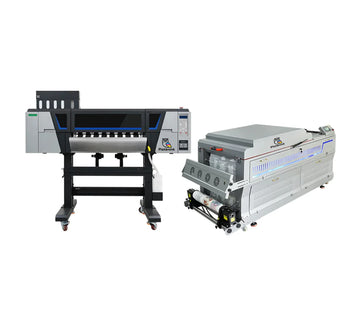
Printer and ink setup
-
PET films and adhesive powder
-
Heat press equipment
While initial investments can be higher than DIY vinyl, DTF transfers are cost effective in the long run due to lower wastage and reusable stock. For DTF transfers for beginners, this is an affordable entry into professional grade printing.
Tips for Beginners
Starting with DTF transfers for beginners? Keep these tips in mind:
-
Always test your designs on small fabric swatches first.
-
Store films in a cool, dry place to maintain print quality.
-
Follow heat press instructions precisely for temperature, time, and pressure.
-
Use high quality adhesive powders for better durability.
-
Practice peeling techniques to avoid lifting edges.
These tips ensure your first DTF transfers are professional, vibrant, and long lasting.
Conclusion
Starting fresh with DTF? It opens doors without needing years of experience. Picture crisp designs on fabric, made possible through straightforward steps. Instead of guessing how it works, learn each part - printing, applying, handling. This approach keeps colors bold even after washes. One piece or many, the process stays reliable. Skip the guesswork; clear methods lead to clean outcomes. Results hold up, wear after wear.
For high quality supplies, expert guidance, and all your DTF printing needs, visit Bostonian DTF.
Frequently Asked Questions
1. What are DTF transfers, and how do they work?
DTF transfers are designs printed on PET film using special inks, then coated with adhesive and heat pressed onto garments, producing vibrant and durable prints suitable for various fabrics.
2. Are DTF transfers suitable for beginners?
Yes, DTF transfers for beginners are ideal because the process is straightforward, doesn’t require complex screens, and works on multiple fabrics with minimal experience.
3. How do I care for DTF printed garments?
Follow DTF transfer care instructions: wash inside out, avoid high heat, don’t iron directly on the print, and air dry for maximum durability and long lasting color.
4. Can I use DTF transfers on dark fabrics?
Absolutely. Direct to film transfers are ideal for both light and dark fabrics without pre treatment, providing vibrant, full color results for professional looking apparel.
5. What equipment do I need for DTF printing?
You need a DTF printer, PET films, adhesive powder, a heat press, and curing equipment. Following a DTF transfer heat press guide ensures optimal results.
6. How durable are DTF transfers?
DTF transfer durability is excellent; prints remain vibrant after multiple washes. Proper pressing and adherence to DTF transfer care instructions prevent peeling, cracking, and fading.
7. What is the average cost of DTF printing?
DTF printing cost varies based on materials and equipment. For beginners, initial setup is higher but per item costs remain low due to minimal waste and reusable films.
8. How do DTF transfers differ from vinyl printing?
Unlike vinyl, DTF transfers are flexible, allow full color printing, work on almost any fabric, and don’t require weeding, making them more versatile and beginner friendly.
9. Can I make custom designs with DTF transfers?
Yes, you can create custom DTF transfers with any design. This flexibility is ideal for small businesses, personalized gifts, and unique apparel projects.
10. Do DTF transfers require special washing instructions?
Yes. Following DTF transfer care instructions ensures longevity. Wash garments inside out, avoid high heat, and don’t iron directly on prints to prevent damage.


